Answer Engine Optimization Explained: AEO Vs. SEO & AI Overviews
Even as the digital landscape is dominated by savvy answer engines like ChatGPT and features like Google’s AI Overviews, some of the world’s deepest questions remain unanswered. How many licks does it take to get to the center of a Tootsie Pop? Is chili a soup? Why did the chicken cross the road?
Where users ask these questions continues to shift, but the need for answers will always be there. With the conversational format of AI platforms, users have gotten better at asking their questions. And through answer engine optimization (AEO) strategies, brands can get better at answering them. But first, you need answers to your own questions: what is AEO vs. SEO, and how do you optimize content for these all-important answer engines?
What Is Answer Engine Optimization?
Answer engine optimization is a strategic evolution of search engine optimization (SEO) aimed at optimizing content for answer engines that drive today’s “zero-click” search experiences. Modern answer engines include AI platforms like ChatGPT and Claude, generative search features like Google’s AI Overviews, and voice assistants like Siri and Alexa. Instead of returning a list of links, these platforms use AI to generate a direct answer to a user’s query, consolidating information from various sources into one succinct answer with cited sources.
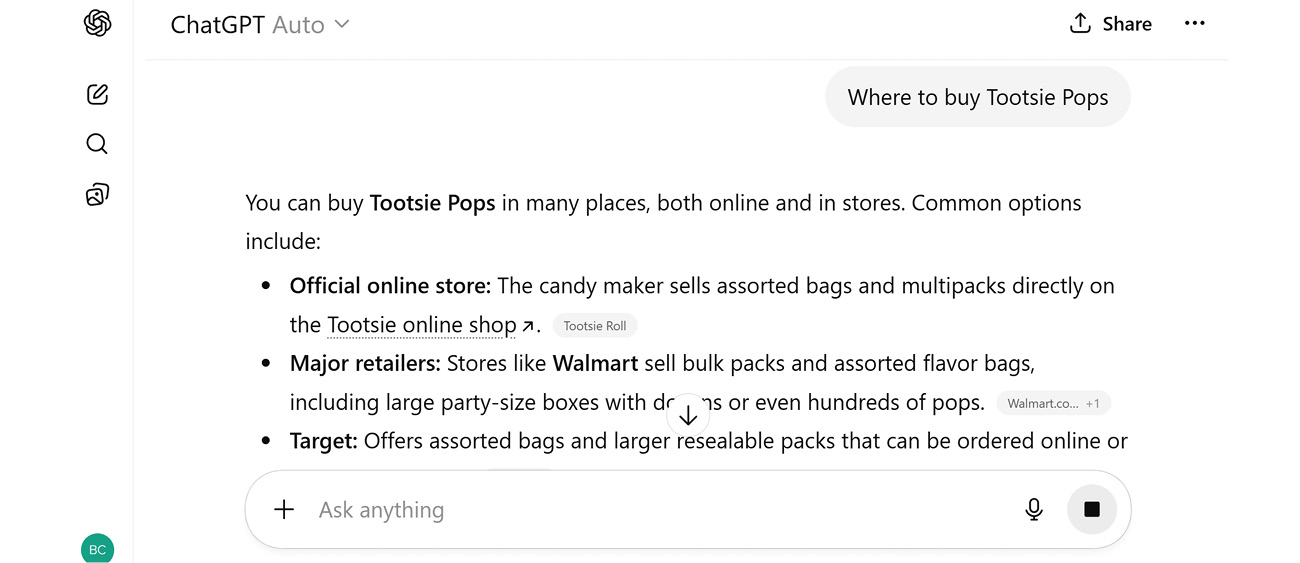
This shift goes hand-in-hand with generative engine optimization (GEO), which reflects the broader rise of conversational, AI-driven search across traditional search engines and native AI platforms. While optimizing for zero-click experiences may sound counterintuitive, AEO is all about meeting users where they are. Web traffic and SEO are still important, but success now also includes visibility and authority in AI-generated answers.
AEO Vs. SEO: What's The Difference?
Search engine optimization refers to the strategies used to help website content rank in traditional search results, while answer engine optimization focuses on providing direct answers to user questions. While SEO points users to individual web pages, AEO synthesizes information from multiple sources to generate concise responses where brands are cited rather than listed in traditional search results. Organic traffic may decrease as users find answers directly in these experiences, but the traffic that does reach your site is often more qualified and likely to convert.
Despite their differences, AEO should be viewed as an extension of SEO rather than a comparison of AEO vs. SEO. SEO still provides the technical and on-page foundation that allows content to be crawled and understood by answer engines. Optimizing content for answer engines builds on that foundation by emphasizing brand authority and clear, intent-driven answers. Many traditional search features like featured snippets, knowledge panels, People Also Ask, and local packs already reflect this zero-click behavior. AEO simply expands these strategies to include AI Overviews, voice search, and generative AI platforms.
What Is A Google AI Overview & Why Does It Matter For Answer Engine Optimization?
With all this talk about Google AI Overviews, they clearly play an important part in answer engine optimization. Google now displays an AI Overview for an increasing number of user search queries, often appearing at the top of search engine results pages (SERPs) as an AI-generated summary pulling from relevant sources. This space is meant to quickly deliver answers for user questions directly in search and also provides the opportunity to enter into Google AI Mode to continue asking follow-up questions.
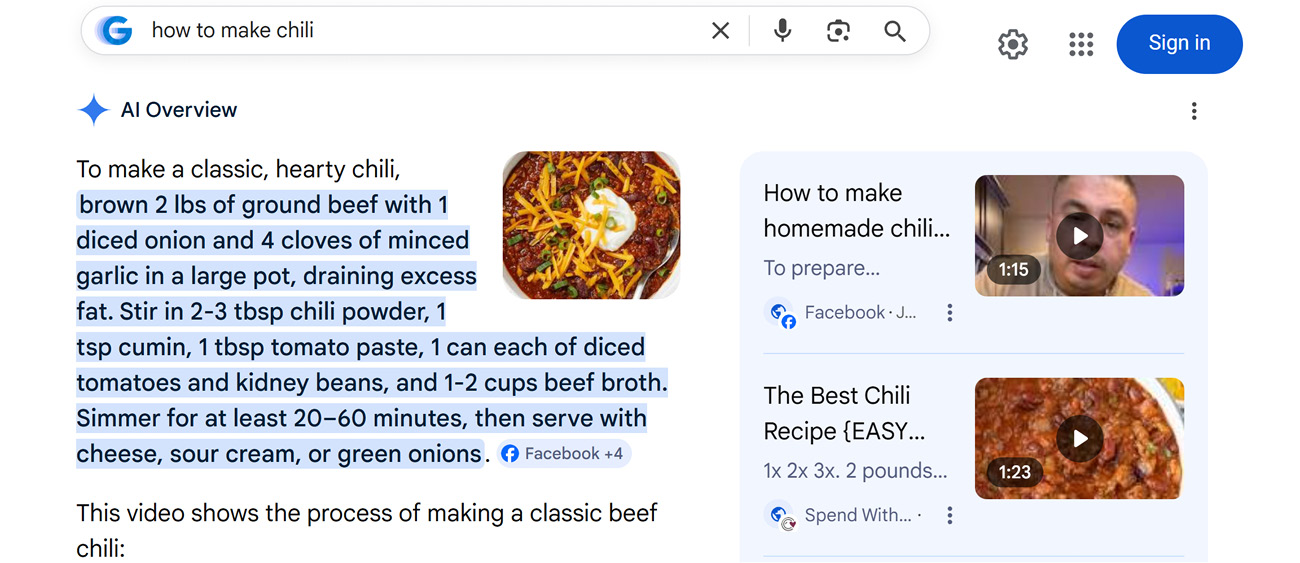
AI Overviews blend AEO and SEO by bringing the generative search experience to standard SERPs. Optimizing content for answer engines like Google helps your brand serve as a trusted contributor to these synthesized answers, signaling to users that you are an authority in the industry.
How To Rank In Google AI Overviews
Google has always valued people-first content, and its AI Overviews are no different. Ranking in an AI Overview requires blending AEO with SEO best practices to quickly and concisely answer specific user questions within content. To achieve this, include questions in your headings, followed by a succinct answer immediately following the question so Google includes your direct answer in the overview. Add FAQs to your content and prove yourself as a topical authority by demonstrating experience and expertise. These same principles also apply to optimizing content for AI-native answer engines like ChatGPT so you are primed to show up wherever your users are.
How To Optimize Website Content For Answer Engines
If you consider SEO as the technical components allowing search and answer engine bots to crawl your site, think of AEO’s role as ensuring website content is answer-ready and clearly organized for bots to extract quick summaries for generative answer engines and AI Overviews. Many of the best practices that apply to SEO apply to AEO, too, but optimizing your content for answer engines requires special attention to page structure and context so generative answer engines and Google’s AI Overviews feel confident citing your content without leading users astray. Here’s how to help your content gain visibility in answer engines:
Write Content That Directly Answers Questions
Answer engine optimization starts with asking the right questions and providing clear answers in your content. The goal is for answer engines to quickly scan your content and determine whether it’s relevant to a user query. Use question-based headings followed by a direct answer in the first paragraph.
Keep answers concise and aligned with user intent. If they’re seeking information, ensure your answer is educational. If they’re looking for a product or service, shape the answer to support a transaction. If they’re researching your brand, ensure the response reflects the sentiment you want to convey. Anticipate any follow-up questions they might have to become a resource for deeper research.
Structure Content For Easy Extraction
Answer engines look for credible brands they can quickly cite to satisfy user queries, which you can streamline with a clear page hierarchy. For AEO, organizing content with scannable, hierarchical headings helps generative engines extract relevant information to create synthesized answers. SEO best practices also recommend sequential heading tags (one H1, followed by H2s and H3s) to support both answer engines and the user experience. Headings clarify page context, while short paragraphs and lists help break content into sections that are easy for bots and users to scan.
Build Depth Around Your Core Topics
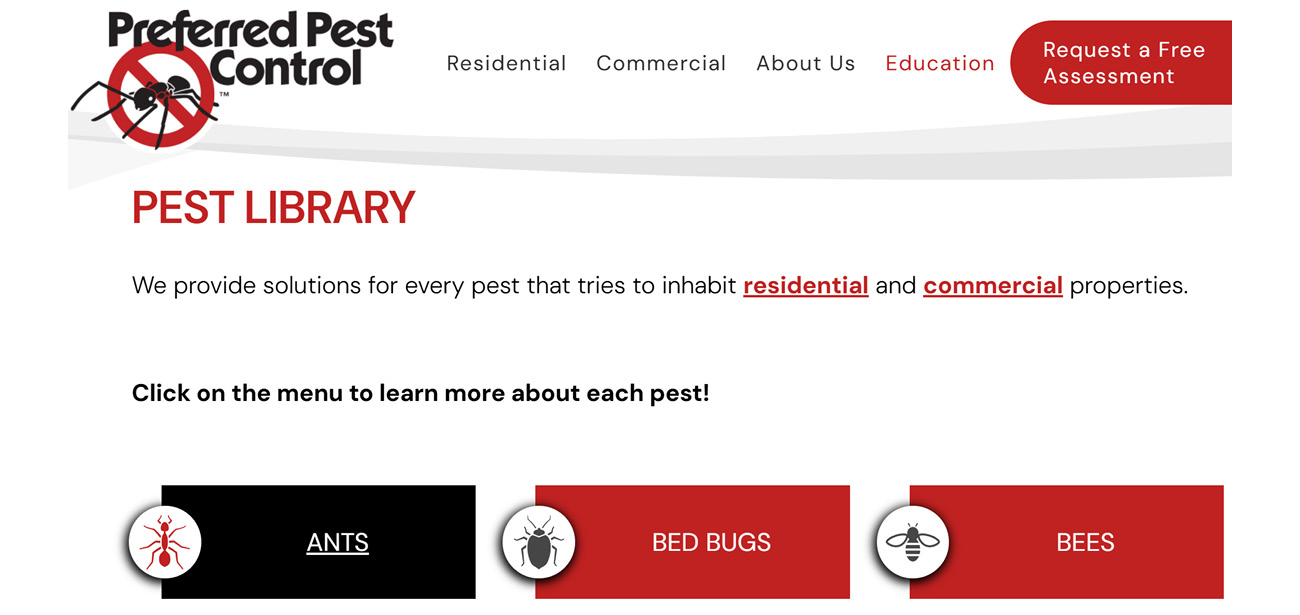
Demonstrate your brand has a long history of professional industry experience by optimizing and creating fresh, relevant content centered around your areas of expertise. Include internal links to related pages on your site, which answer engines look for to mirror how users might conduct deeper research and follow-up for a topic. Establishing yourself as an industry leader with a catalog of pages and resources related to your core topics communicates to answer engines that you’re a trusted subject matter expert they can reliably cite.
Demonstrate Expertise & Authoritativeness
Like SEO, AEO favors content that demonstrates E-E-A-T: experience, expertise, authoritativeness, and trustworthiness. These principles have long influenced Google’s search rankings and remain critical for appearing in AI Overviews and other AI platforms. The zero-click search model leaves little room for error, so bots prioritize content from trusted brands. In addition to creating content around core topics, incorporating case studies and demonstrating authorship signal expertise and credibility.
Earn Links & Mentions From Industry Authorities
Backlinks and mentions from other brands build authority as third-party confirmation that your content is trustworthy. Answer engine optimization isn’t just about creating content but also how your brand is perceived across the industry. Third-party links and mentions act as earned media that reinforces credibility for AI platforms. Answer engines and Google’s AI Overviews may also reference these third-party mentions when generating synthesized answers.
Implement Schema Markup
Schema, or structured data, is markup code you can implement with your content to help bots gain a better understanding of what the content is about. This code enables a more direct line of communication letting bots know the purpose of your content so they can quickly crawl and decide to cite the content. Schema markup is an advanced SEO strategy that also benefits AEO. FAQ schema in particular tells bots your content is directly asking and answering a question, increasing your chance of appearing in zero-click spaces like featured snippets, Google’s AI Overviews, or ChatGPT.
Tools For Answer Engine Optimization
AEO is still evolving in the early days of generative AI search, but that doesn’t mean success is guesswork. Answer engine optimization tools like AI monitoring solutions help identify what’s working so you can optimize content for answer engines more strategically. Schema markup tools also support both AEO and SEO by helping answer engine bots understand your content.
AI Monitoring Tools
Success looks different in the zero-click landscape, shifting from driving traffic to building visibility and authority in AI platforms. Knowing whether your content is cited in answer engine responses and how you compare to competitors gives you an advantage as you refine your AEO strategy. AI monitoring tools like Peec AI track metrics such as brand visibility across platforms, prompts your brand appears for, which pages are cited as sources, and how you stack up against competitors.
Structured Data & Schema Tools
A variety of schema tools exist to help communicate directly with bots. Google’s structured data library provides starter templates to match the intent of your content. Depending on your content management system (CMS), schema can often be implemented directly in the CMS or through a plug-in. Tools like Schema Validator confirm your code is error-free, while the Rich Results Test checks whether your page is eligible for snippets and AI Overviews.
Featured Snippet Tracking Tools
Google still offers many rich result opportunities besides AI Overviews, including featured snippets, one of Google’s original zero-click experiences. Not every query generates an AI Overview, so tracking featured snippets and other “position 0” results helps you understand how your content performs in answer engines. SEO tools like SE Ranking and Semrush show whether your brand appears in snippets or other rich results like a People Also Ask or knowledge panel. Tracking these placements helps refine your overall answer engine optimization strategy.
Why Answer Engine Optimization Should Be Part Of Your Modern Search Strategy
Traditional SEO isn’t going anywhere, but AEO is here to stay, too. The best marketing strategies will work to incorporate both to readily answer user questions, increase visibility and reach, and ultimately show up where users are. Our team of SEO and AEO experts at Blue Compass is on top of the best practices shaping the future of search. Contact us to learn more about answer engine optimization tools, strategies to optimize content for answer engines, and more guidance for generative search success. We just have one question left for you: what are you waiting for?